From an AI prototype to a production SaaS in three weeks
Px8 is a Helsinki-based studio that blends design, technology, and content to create strong connections between brands and customers.
Request an offer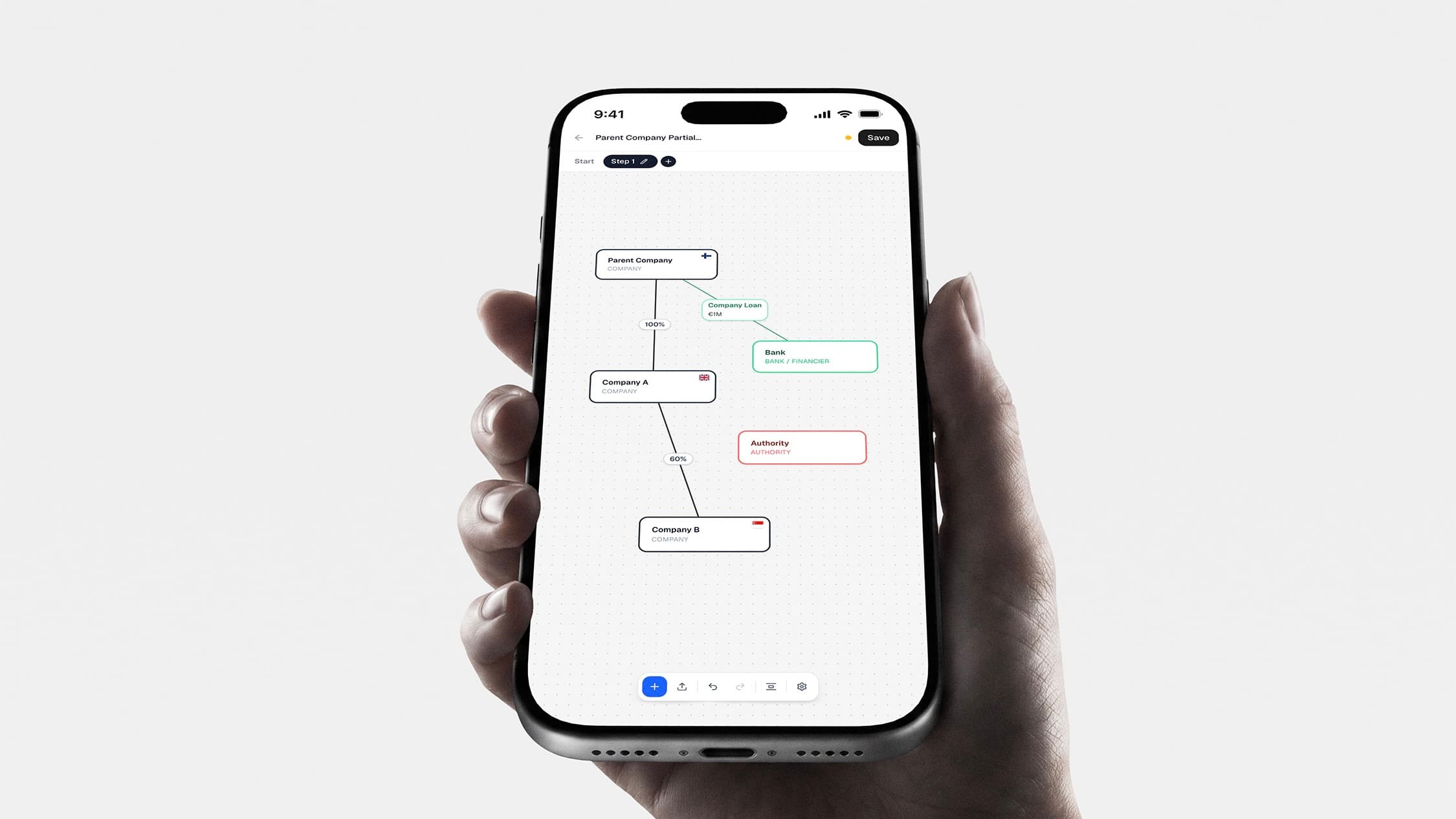
uCeeIt
- Timeline
- 1 month
- Team
- Johannes, Elliot
- Our Scope
- UI/UX design Frontend development Backend infrastructure AI integration
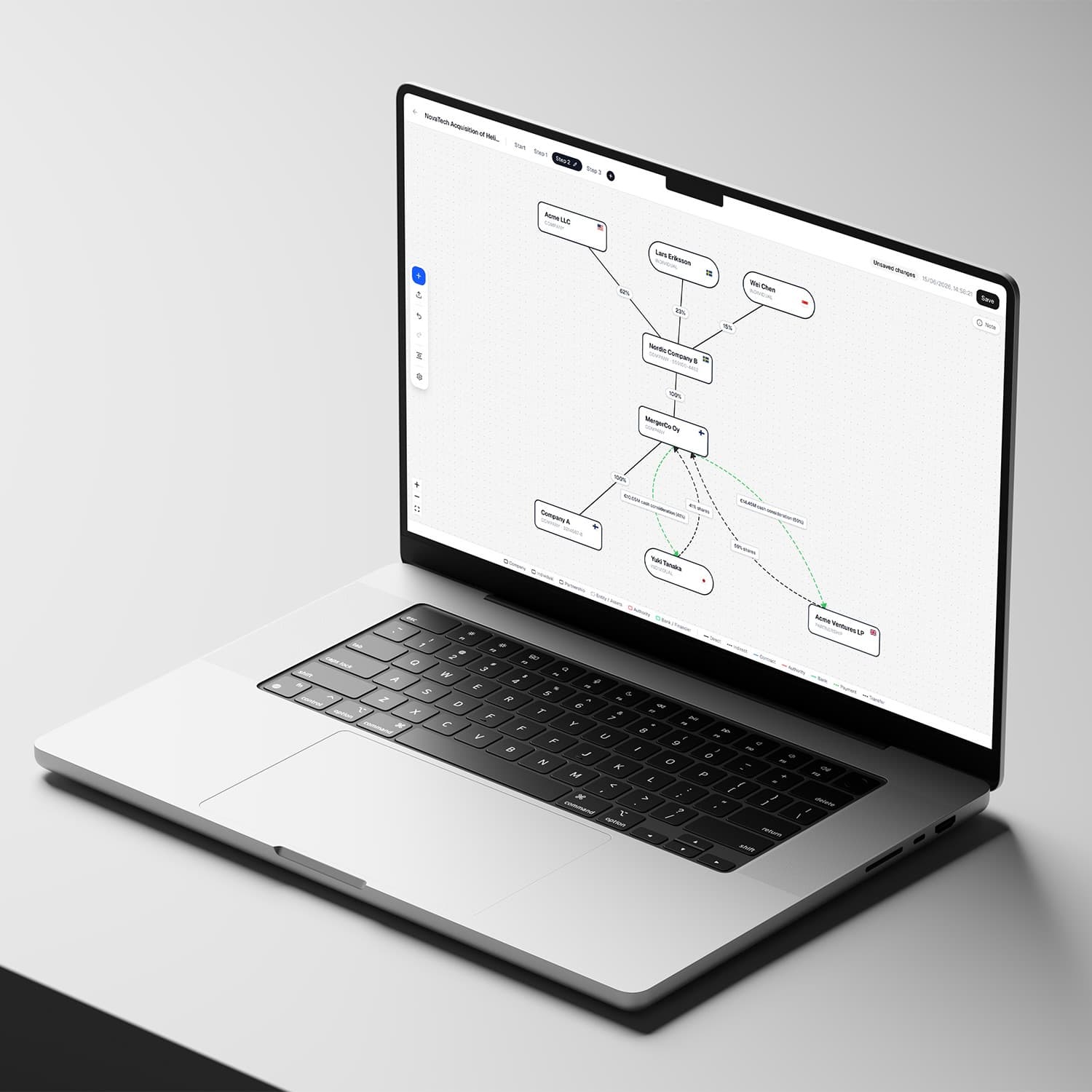
Our client had built a detailed prototype with Claude: an AI-powered tool for visualising corporate structures, mergers, and ownership hierarchies. The code wasn't production-ready, but it was far more useful than any slide deck. We took that prototype, rebuilt it into a secure, full SaaS product with Stripe billing, authentication, and AI integrations, and had test users onboarded within three weeks.

What came before us
The client had been thinking about this tool for a long time. Before AI, it wasn't feasible to build without a significant investment. Once they started prototyping with Claude, the idea became real: an application where you can build complex corporate structures, visualise ownership hierarchies, model mergers, and discover real company data through AI lookups.
The prototype they brought us wasn't a wireframe or a pitch deck. It was working code with all the steps, details, and even example schemas mapped out. That gave us something we rarely get from a brief: a clear view of exactly what the tool should do, down to the minute interactions.
What we did with it
We spent the first few days analysing every pattern and schema in the prototype. From there we made a proposal on what to keep, what to refine, and what to rebuild.
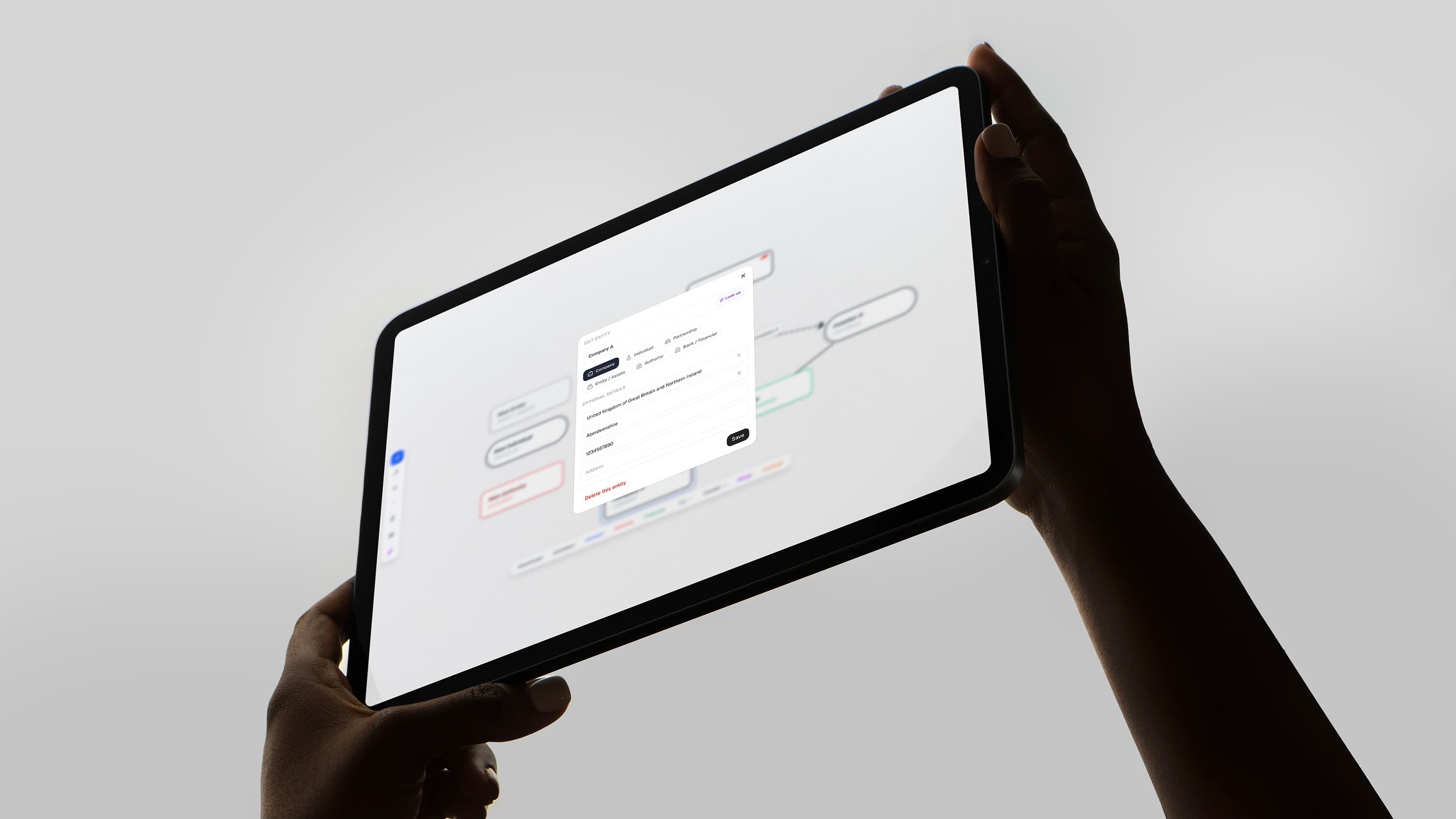
The UX needed work. Some of the graph libraries had to be swapped for better alternatives. Hardcoded components could be replaced with open-source options that solved usability issues the prototype had. The schema needed a rewrite that made technical sense and allowed for secure, encrypted storage. And since the prototype was frontend-only, the entire backend infrastructure had to be built from scratch.
Week one was structure: documenting the schema, designing the workspace model, mapping out authentication, planning Stripe integration, defining the visual language, and revising the prototype to bring it closer to production. By the end of that week, we had a revised prototype running with the correct libraries, a tested schema, and a mobile-ready layout.
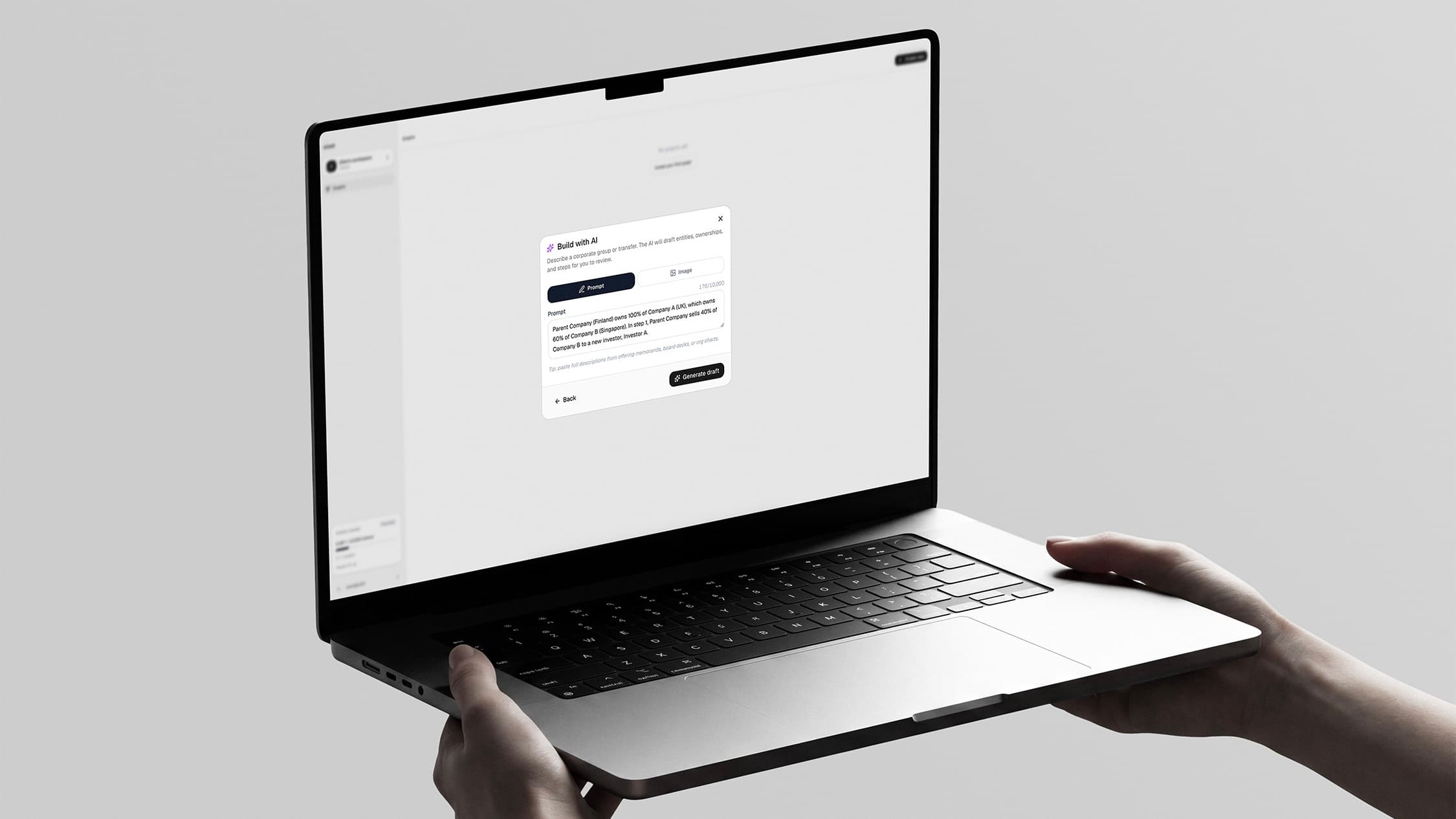
Weeks two and three were build: Supabase for the backend, Next.js for the application and API, Stripe for billing and token counting, Anthropic for AI output, authentication, domain setup, infrastructure, and a landing page with light branding. We also ran a security audit to make sure every choice made during fast development held up under scrutiny.
After three weeks, we had a full SaaS product ready for test users.
Why this worked
This project is a good example of what becomes possible when a client brings deep domain knowledge and we bring the production expertise. The prototype gave us something that months of discovery typically produces: a detailed understanding of what the product should do and how users expect it to behave. We didn't need to run workshops or interview stakeholders to understand the tool. We could see it.
That let us skip the research phase and go straight into building. With our expertise in modern tooling, secure infrastructure, and product design, we turned a working concept into a market-ready product in a timeline that wouldn't have been realistic even a year ago.
If you like what you see just shoot us a message.