Software & Apps
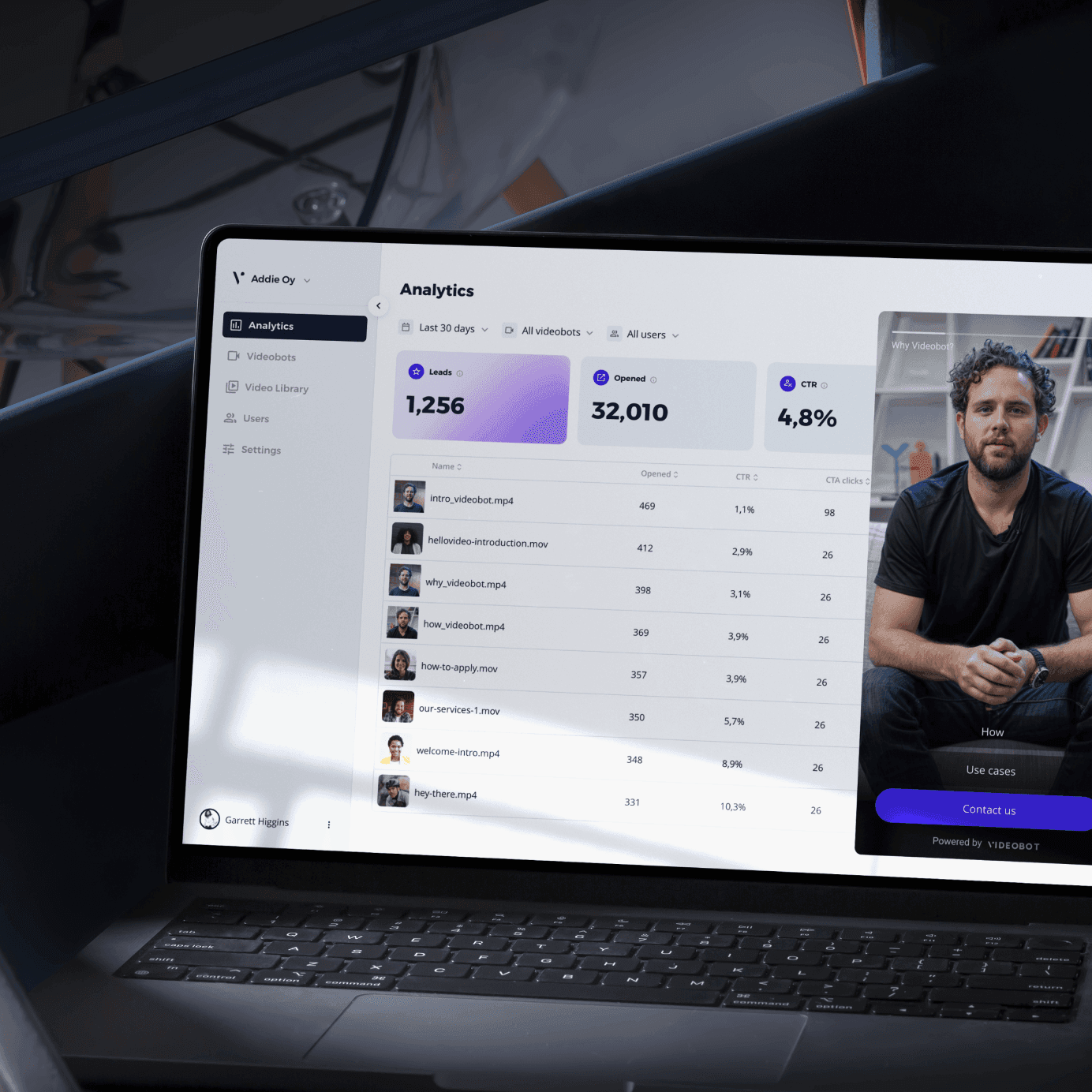
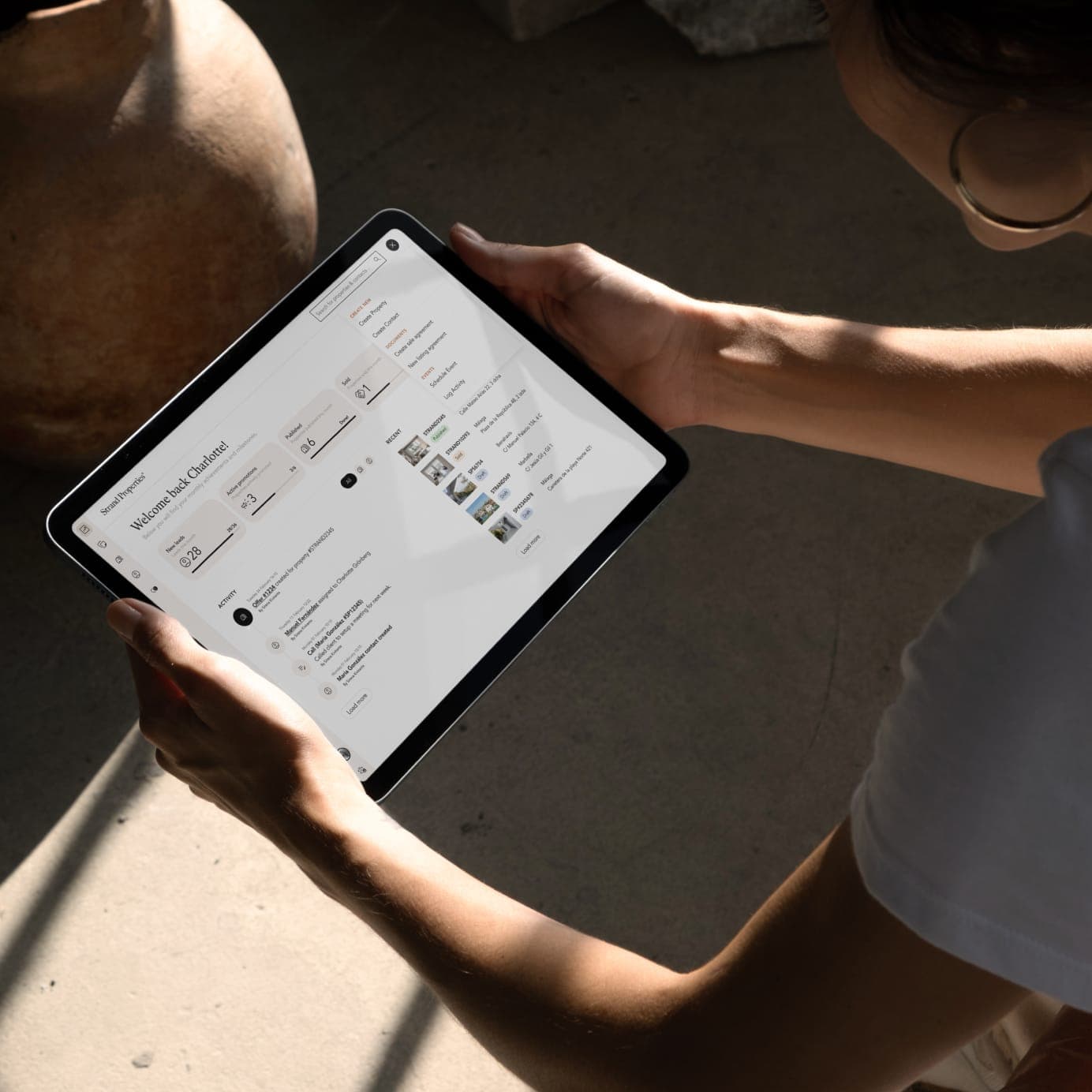
Internal tools, customer-facing apps, dashboards, automations. The products your team keeps meaning to build but hasn't found the time for.
We take them from idea to working software, usually starting with a short sprint to validate the direction before committing to a full build.
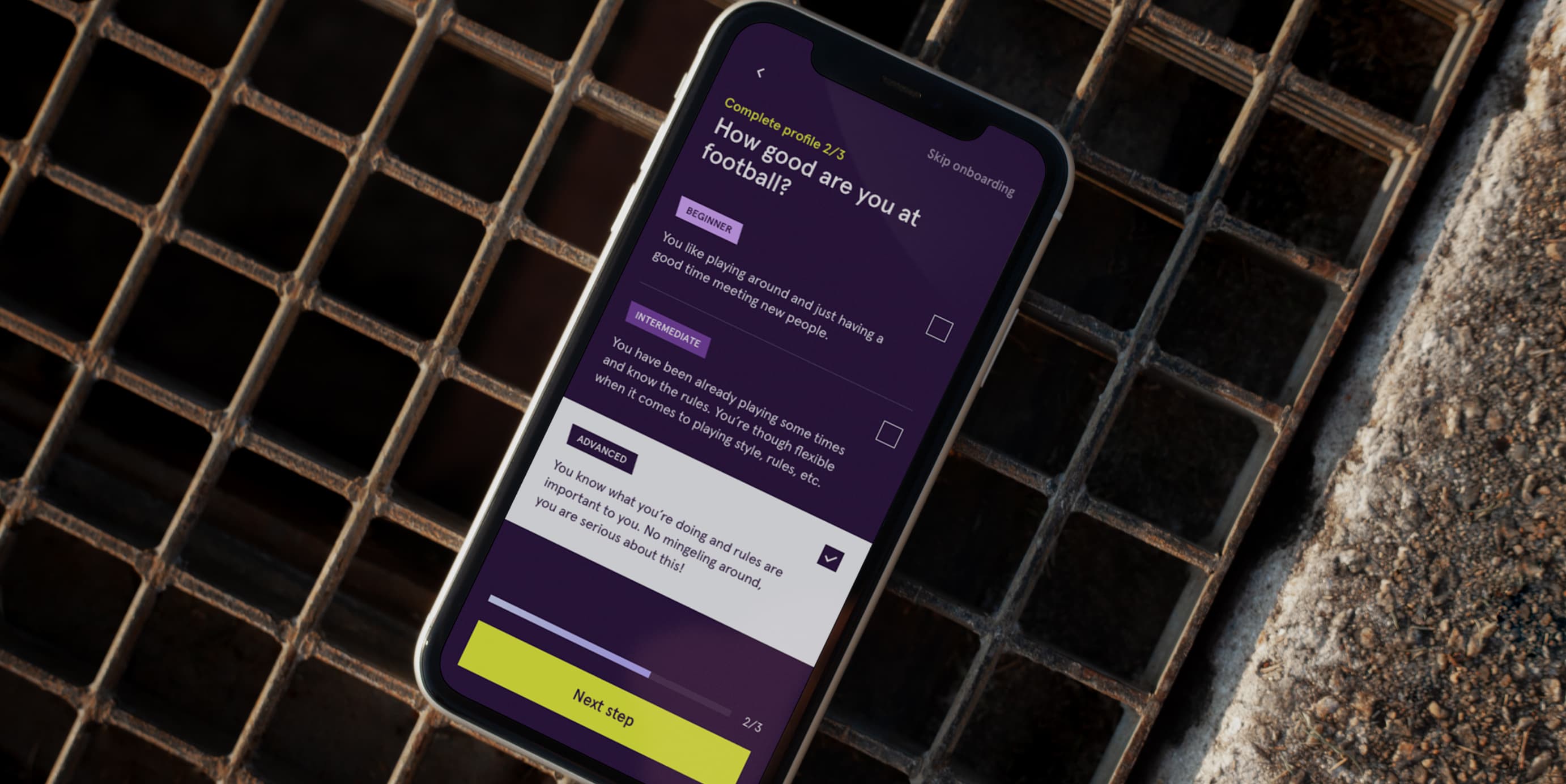
We start by understanding the problem, often by talking to the people who'll actually use the product. From there we design and prototype something you can test quickly.
Once the direction is right, we build it into production-ready software. The interface in Figma is the interface that ships, with the interaction and motion details that make software feel considered rather than functional. The whole process runs in sprints with working software at every stage, not just at the end.
We build with modern frameworks and stacks. Our go-tos are React-based (Next.js, Vercel, Supabase, Stripe, GitHub), but the project decides the stack. If yours is something else, we'll talk through what fits and explain why.
Product Development
End-to-end product work Discovery and design Build and ship Modern frameworks, chosen for the project
Internal Tools
Dashboards and admin panels Workflow automations Data integrations
Prototyping & Validation
Working prototypes User testing Fundraising demos Stakeholder presentations
How we build software
Every project starts with a conversation about the real problem. Not what someone thinks should be built, but why it matters and who it's for. We talk to the people who'll use the product whenever we can, because that usually changes the brief in useful ways.
From there we move into design and prototyping. The goal at this stage is to get something real into people's hands as quickly as possible. Not wireframes or slide decks, but a working prototype that looks and feels like the actual product. That gives everyone involved something concrete to react to, which leads to better decisions than abstract discussions ever do.
From prototype to production
Once the direction is validated, we build it out properly. Production-ready code, clean architecture, deployed and running. We work in sprints, which means you see progress every week or two, not at the end of a multi-month engagement.
Our default stack is Next.js on Vercel with Supabase for the backend and Stripe for payments. We chose these tools because they let a small, experienced team ship production software quickly without cutting corners. That said, if your project calls for something different, we'll tell you and explain why.
What we typically build
The products we work on tend to fall into a few categories: internal tools that a company needs to run better, customer-facing apps that need to work well and look good, dashboards that surface the right data at the right time, and automations that take manual work off someone's plate.
What these all have in common is that they matter to the business but don't fit neatly into the existing team's roadmap. That's where we come in. We take ownership of the product from discovery through launch, and many clients keep us on afterwards for ongoing development.
The engagement
Most software projects start with a sprint. A few weeks of focused work with a clear deliverable at the end, usually a working prototype. It's a low-commitment way to see how we work and whether the fit is right.
From there, most clients move into an ongoing retainer. Continuous sprints, growing with the product over time. We plug into your tools (Linear, Slack, GitHub, Figma) and work either embedded in your team or independently, depending on what makes sense.